






Mycotoxicosis and the breeding pig
 9 November 2018
 3 minute read
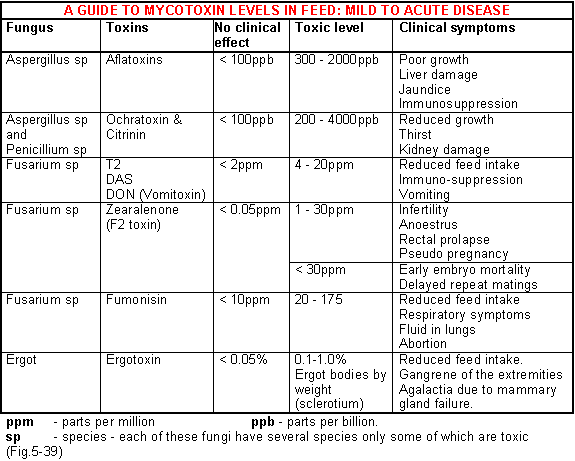
Sometimes when moulds multiply on feeds such as wheat, barley, corn and cotton seed, mycotoxins are produced that can be poisonous. (Fig.5-39). Three factors are necessary for growth; an available carbohydrate source for energy; warm moist conditions 10-25ºC (50-77ºF) and oxygen. Other special conditions may be necessary for toxins to be produced.
An important toxin that affects reproduction is called zearalenone or F2 toxin produced by the fungus Fusarium graminearum.
It is an oestrogenic toxin and it is produced in high moisture environments in corn (maize) well before harvest.
Clinical signs
The most striking clinical feature is the swollen red vulva of immature gilts. The other signs are dependent up on the levels present in the feed and the state of pregnancy.
The following may be used as guidelines to the symptoms that may be observed.
Boars - Semen may be affected with feed levels above 30ppm but not fertility. At higher levels poor libido, oedema of the prepuce and loss of hair may occur.
Gilts (Pre puberty) 1 - 6 months of age - 1 to 5ppm in feed causes swelling and reddening of the vulva and enlargement of the teats and mammary glands. Rectal and vagina prolapses also occur in the young growing stock.
Gilts (mature) - 1 to 3ppm will cause variable lengths of the oestrus cycle due to retained corpora lutea and infertility.
Sows - Levels of 5 to 10ppm can cause anoestrus, which may also be associated with pseudo pregnancy due to the retention of corpus luteum. F2 toxin will not normally cause abortion however. If sows are exposed during the period of implantation litter size may be reduced. In lactation piglets may develop enlarged vulva.
Effects on pregnancy - Embryo survival to implantation does not appear to be affected at levels less than 30ppm but above this complete loss between implantation and thirty days occurs followed by pseudo pregnancies. Low levels of 3 to 5ppm do not appear to affect the mid part of pregnancy, but in the latter stages piglet growth in utero is depressed, with weak splay-legged piglets born. Some of these may have enlarged vulvas.
Effects on lactation - 3 to 5ppm has no effect on lactation but the weaning to service interval may be extended.
Diagnosis
The clinical signs are distinctive. Rations that are suspected of contamination should be examined both for the presence of zearalenone and also other oestrogen like substances.
Removal of the suspect feed will be followed by the regression of symptoms within three to four weeks.
Treatment
- None is required provided the toxin source is removed.
- Sows that are in deep anoestrus may respond to injections of prostaglandins.
Procedures for sampling feed
- Collect 8 x 1kg quantities from separate areas of the feed.
- Mix all together.
- Take 4 x 1kg separate samples from the bulked one into clean polythene bags.
- Number 1 to 4 and date.
- Seal and witness.
- Store at 4ºC (34ºF) until transported to a laboratory.
- Retain two samples.
- Send two samples to the place of testing or use two separate laboratories.
Management control and prevention
Key factors leading to mycotoxicosis:
- The purchase of mouldy, damp or badly stored grains.
- The mixing of contaminated and uncontaminated grains.
- Holding cereals in moist, damp conditions.
- Allowing grains to heat.
- Prolonged usage of bins, feed bridging across the bin and development of moulds.
- Placing compounded feeds into bins whilst they are moist and warm.
- Poorly maintained bins that allow water to leak in.
- The bridging of feed in bins over long periods of time and their sudden descent.
- Prolonged use of automatic feeders and retention of mouldy feed.
- If a problem of mycotoxicosis is suspected immediately stop using that particular feed and re-cycle it at a 1:10 dilution with other cereals into feeder pigs or destroy it. Sample all the feed ingredients and if these are required for future examinations, store in the correct conditions.