





The hunt for the odourless pig
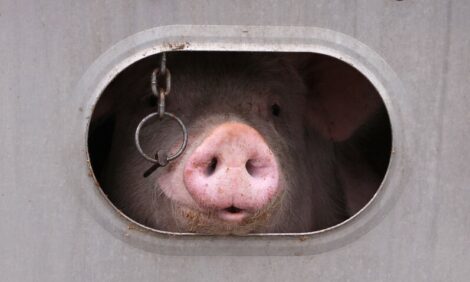
US - In two long buildings in Carroll county, Indiana, some 8,000 pigs are doing what they do best: eating, defecating and squealing. But livestock operations like this one are increasingly under scrutiny. Above the pigs' heads are instruments measuring dust and noxious fumes. 23 November 2007
 1 minute read
Farther east, in Randolph county, the local planning commission will vote next month on whether to limit the expansion of pig farms.
As America's pig, cattle and poultry farms have become bigger and more efficient, so have fears of the effect on their surroundings. Some 450,000 of America's 1.3m livestock farms qualify as “confined feeding operations” (a poultry farm, for example, with more than 30,000 hens).
About 19,000 farms are designated as “concentrated animal feeding operations”, with more than 100,000 hens, 700 dairy cows or 2,500 pigs. The question is how best to police these enormous flesh generators.
The huge farms have not carried on with total impunity—they have been regulated by the Clean Water Act's permit system for polluters since the 1970s. Last year, however, in response to a court decision, the Environmental Protection Agency (EPA) was forced to limit the number of farms covered by its rules on permits and manure management. Some states are therefore stepping forward to create their own guidelines.
The main concern has been to protect water supplies by dealing with waste properly. But, the rise of mega-farms and the relentless expansion of America's suburbs mean that residents are encountering the pungent aromas of the countryside as never before—and are starting to sue. Quite apart from the nasal discomfort, the olfactory factor can depress property prices.
To gather proper data and fend off arbitrary penalties under the Clean Air Act and other laws, livestock producers are now paying for a national study of emissions. The study, led by Purdue University, Indiana, and overseen by the EPA, is proceeding well.
Albert Heber, of Purdue, is also looking into ways to lessen the stink—by modifying animal diets, for example, or by biofiltration.
Source: The Economist
As America's pig, cattle and poultry farms have become bigger and more efficient, so have fears of the effect on their surroundings. Some 450,000 of America's 1.3m livestock farms qualify as “confined feeding operations” (a poultry farm, for example, with more than 30,000 hens).
About 19,000 farms are designated as “concentrated animal feeding operations”, with more than 100,000 hens, 700 dairy cows or 2,500 pigs. The question is how best to police these enormous flesh generators.
The huge farms have not carried on with total impunity—they have been regulated by the Clean Water Act's permit system for polluters since the 1970s. Last year, however, in response to a court decision, the Environmental Protection Agency (EPA) was forced to limit the number of farms covered by its rules on permits and manure management. Some states are therefore stepping forward to create their own guidelines.
The main concern has been to protect water supplies by dealing with waste properly. But, the rise of mega-farms and the relentless expansion of America's suburbs mean that residents are encountering the pungent aromas of the countryside as never before—and are starting to sue. Quite apart from the nasal discomfort, the olfactory factor can depress property prices.
To gather proper data and fend off arbitrary penalties under the Clean Air Act and other laws, livestock producers are now paying for a national study of emissions. The study, led by Purdue University, Indiana, and overseen by the EPA, is proceeding well.
Albert Heber, of Purdue, is also looking into ways to lessen the stink—by modifying animal diets, for example, or by biofiltration.
Source: The Economist