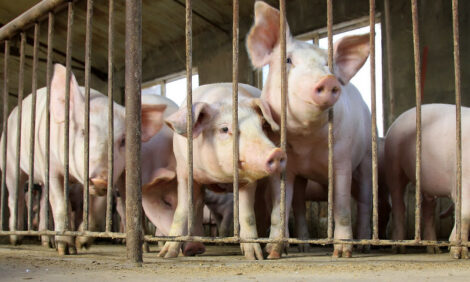






Hog futures slide on profit taking and technical pressure - CME
Cattle futures rise as feed costs fall and supplies tighten
 13 January 2026
 1 minute read
 By:
By: Chicago Mercantile Exchange (CME) cattle futures climbed on Monday after the US Department of Agriculture (USDA) said the country's record-large feed corn harvest would be even bigger than expected and as the stock market scaled to fresh highs, Reuters reported, citing traders.
Concerns about tight cattle supplies also underpinned the market as Washington continued to restrict US imports of Mexican cattle due to the spread of New World screwworm south of the border.
The USDA on Monday said the US corn harvest topped 17 billion bushels, well above expectations. Prices for the grain tumbled more than 5%, effectively slashing feed costs for cattle producers.
Meanwhile, record closing highs in the S&P 500 and Dow soothed concerns that inflation-rattled consumers would begin to scale back purchases of high-priced beef.
"The feeder-corn spread came back with a vengeance. Funds bought feeders and sold corn with that kind of a corn report," said Mike Zuzolo, president of Global Commodity Analytics.
"And I think the trade put together the idea that the stronger the stock market is, the better your 401Ks are, the more you're going to be able to tolerate higher priced red meat," he said.
CME March feeder cattle futures settled 1.475 cents higher at 356.175 cents per pound, while February live cattle futures rose 1.525 cents to close at 233.725 cents per pound.
The USDA raised its 2026 beef production outlook on Monday to 25.8 billion pounds, up 10 million from its December view but down about 260 million pounds from 2025.
The USDA quoted the choice boxed beef cutout value at $357.11 per hundredweight on Monday afternoon, up $1.48 from Friday and the highest in three weeks. Select cuts were up $5.88 at $358.05 per cwt.
CME lean hog futures fell for a second straight session on Monday on profit taking and technical selling.
Actively traded February futures ended down 0.875 cent at 84.425 cents per pound after hitting overhead technical resistance at its 100-day moving average.