




Independent research highlights effectivity of FeedARMOR against ASFV
Two separate university studies emphasize reduction in disease with use of FeedARMOR
 1 July 2026
 1 minute read
 By:
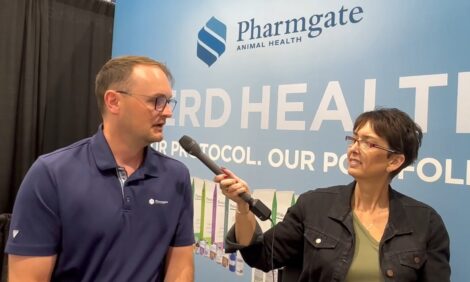
By: New independent research validates FeedARMOR™ against EhV, the industry standard surrogate model virus for African swine fever virus (ASFV), marking a significant step forward in low inclusion (<2 lbs per ton) feed biosecurity. McNess made this announcement at World Pork Expo 2026.
Validated against ASFV surrogate virus
The Schroeder Laboratory at the University of Minnesota College of Veterinary Medicine tested FeedARMOR against EhV, the validated surrogate model virus for ASFV. Results showed 99.99% reductions in viable virus in just one hour.
Feed ingredients are a confirmed introduction pathway for ASFV, and there is currently no approved US vaccine for the virus. Research has shown ASFV-like viruses can survive in feed for up to 120 days at all storage temperatures, meaning extended storage alone is not an effective mitigation strategy.
“ASFV and PEDV are the most serious disease threat facing US pork producers today that require effective and trusted feed mitigation,” says Dr. Fredrik Sandberg, Innovation Consultant. “FeedARMOR gives producers a research-validated and production tested feed mitigant to address that risk in the feed, before it ever reaches the pig.”
Expanded efficacy across key pathogens
Since FeedARMOR’s launch at World Pork Expo 2025, two independent university studies have expanded its proven efficacy. In addition to the ASFV research, a second University of Minnesota study demonstrated up to 100% reduction of Porcine Epidemic Diarrhea Virus (PEDV) and significant reductions in H4N6 influenza within one hour, even under extremely high viral challenge conditions.
Safe, simple and cost-effective
FeedARMOR utilizes proprietary, patent-pending technology to deliver feed mitigation at low feeding rates and is available as a dry formula, with liquid approach coming in Autumn of 2026.
The low inclusion rate of 2–6 lbs. per ton is easier to implement, store, handle and apply than for example formaldehyde-based mitigants, or other harsher mitigants with handling restrictions, promoting better worker safety in the feed mill.
FeedARMOR is also cost-effective, allowing further investment into complementary biosecurity measures such as water or air mitigation of pathogens.
To learn more about FeedARMOR and the research behind it, visit www.FeedARMOR.com.