



Individual Pig Care: proven results for healthier pigs
Early identification and treatment of sick pigs can help improve survivability, reduce mortality and lower treatment costs.
 7 July 2026
 3 minute read
 By:
By: Key Takeaways
- Early identification and treatment of sick pigs can help improve survivability, reduce mortality and lower treatment costs.
- Standardized caregiver training helps create consistent communication and decision-making across production teams.
- The Individual Pig Care Program was introduced more than 20 years ago and has demonstrated measurable improvements in pig health outcomes, including increased nursery average daily gain and reduced mortality and culls.
At a time when operations continue to face high labor turnover and increasing disease pressure, identifying health problems early has become more challenging. What’s more, delays in treatment can lead to greater antibiotic costs, higher pig mortality and fewer pigs to market.1 For more than 20 years, the Individual Pig Care (IPC) program has helped producers strengthen on-farm decision-making through caregiver education focused on daily pig observations.
20 years of proven results
The Individual Pig Care program has demonstrated measurable value for swine operations by improving both pig health outcomes and production performance. Across multiple studies, operations implementing Individual Pig Care program protocols saw reduced treatment costs, mortality and cull rates. Nursery growth performance and ending weights also improved. Two trials in particular highlight the program’s long-term impact.
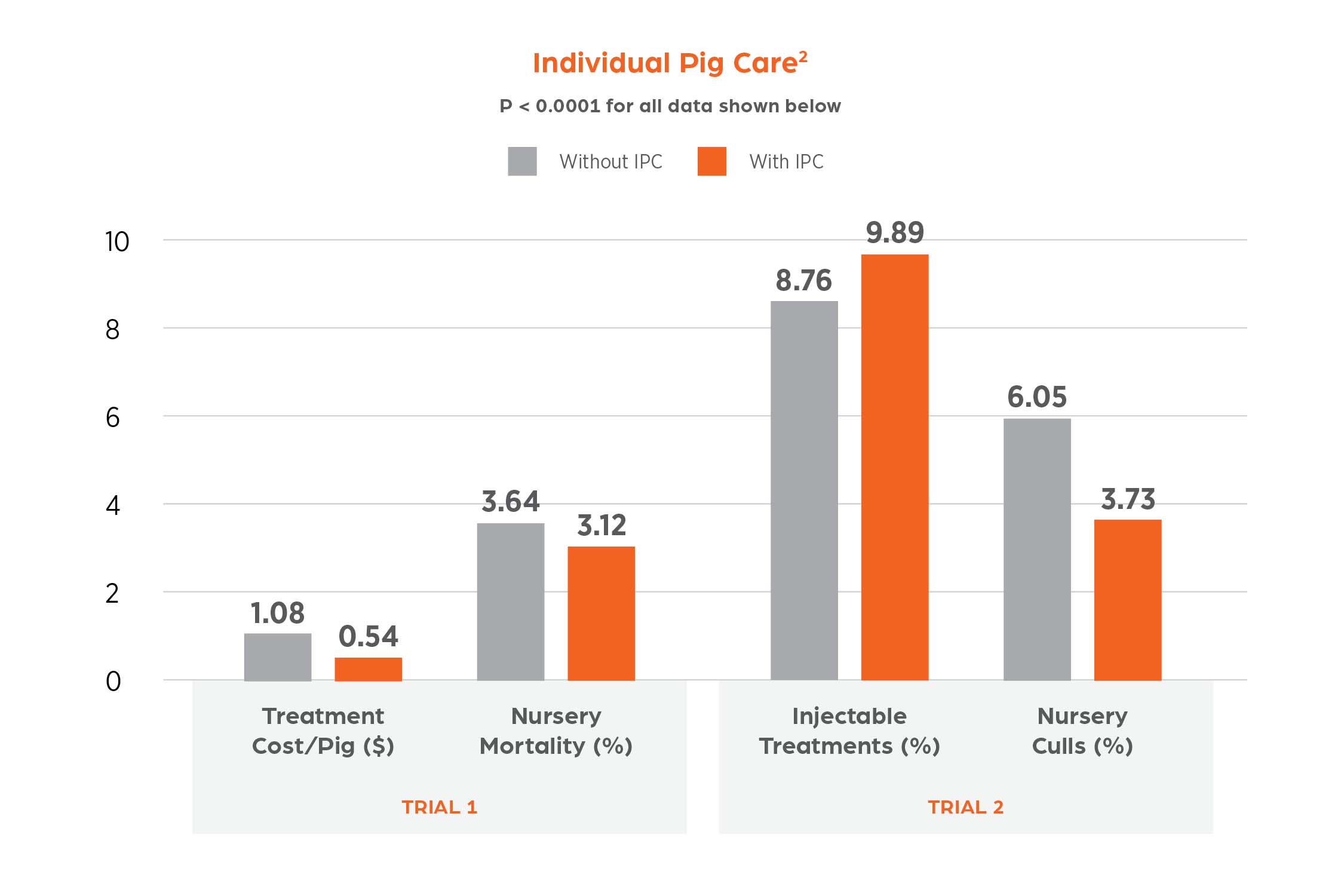
In Trial 1, Individual Pig Care implementation reduced treatment costs per pig by 50%, dropping from $1.08 to $0.54 per pig.2 Nursery mortality improved, decreasing from 3.64% to 3.12%.2
In a second trial, the program further demonstrated its impact, helping improve animal health and productivity. Injectable treatments increased significantly from 8.76% to 9.89%, but nursery culls were significantly reduced from 6.05% to 3.73%.2 The findings suggest caregivers were able to identify and treat at-risk pigs earlier, which improved survivability and reduced the number of pigs removed from production.
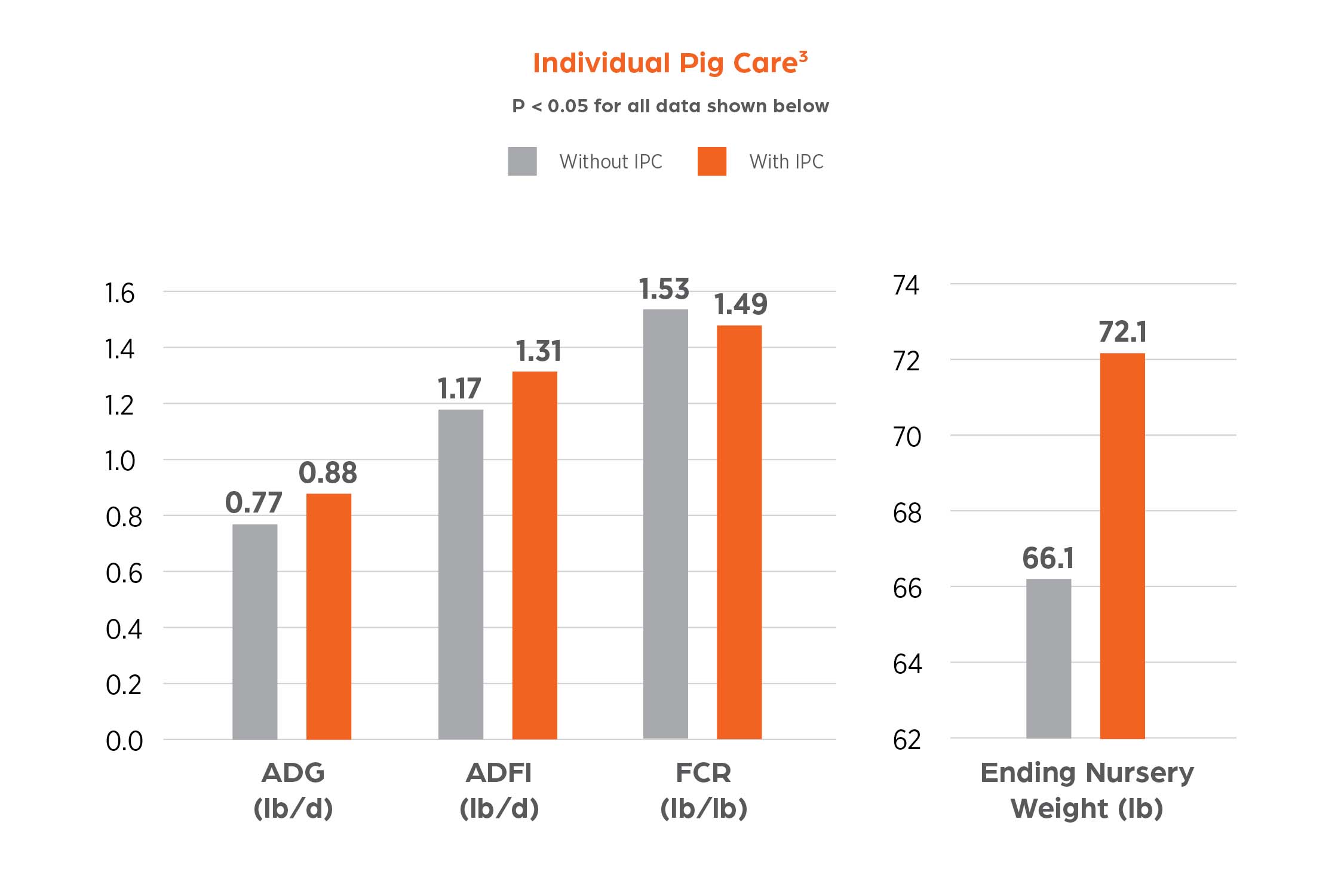
Additional published work has demonstrated improved performance when Individual Pig Care is implemented. Average daily gain increased from 0.77 to 0.88 pounds per day, and pigs exited the nursery phase 6 pounds heavier on average.3 The improvements demonstrate how consistent caregiver training and standardized pig evaluation can positively influence growth and overall efficiency.
“The results help tell the story,” said Eva Jablonski, DVM, MS, Veterinary Specialty Operations, Zoetis Pork. “These team trainings provide consistent, clear communication that helps caregivers intervene sooner, resulting in better treatment success.”
Individual Pig Care Today: Industry Standard
Although the original Individual Pig Care program was developed more than two decades ago, the premise and content of the program continue to serve as the industry standard for care.
“Individual Pig Care trainings have demonstrated that when caregivers concentrate on finding acutely ill pigs early in the disease stage, when clinical signs are just beginning, that is when treatments are more likely to be successful,” Jablonski said.
The program’s proven classification system enables caregivers to properly classify sick pigs and clearly communicate a pig’s condition to teammates, managers and herd veterinarians. These assessment protocols ensure pigs requiring treatment receive it at the right time, with the right product, according to veterinarian-directed protocols that support effective treatment and responsible antibiotic use. To date, Individual Pig Care education has reached thousands of caregivers and impacted millions of pigs across the industry.
For more than 20 years, the Individual Pig Care program has helped shape how caregiver teams approach pig health management by emphasizing early intervention, consistent communication and education. What began as a focused training initiative has evolved into a foundational program that continues to influence industry care standards today. As producers look for ways to improve efficiency, support animal well-being and strengthen profitability, the principles behind Individual Pig Care remain as relevant as ever.
From Individual Pig Care to complete Swine Care Programs
The success of the Individual Pig Care program created demand for additional programs focused on other segments of swine production. A comprehensive suite of Swine Care Programs from Zoetis is designed to empower farm managers and caregivers to help address challenges early and promote high standards across the operation. Programs include:
- Day One Pig Care is designed for sow farm staff to help decrease pre-weaning mortality rates through implementation of best practices that help improve overall animal well-being.
- Individual Gilt Care guides caregivers to improve gilt health and performance throughout a gilt’s lifetime to help optimize her contribution to the herd from growth and selection through breeding, farrowing and first lactation.
- Individual Sow Care teaches caregivers and production managers how to detect signs of illness early by conducting individual daily health and environmental assessments to reduce losses and improve sow productivity.
- Vaccinologist Program is a hands-on experience for caregivers that fosters an understanding and commitment to proper vaccine administration and best practices to optimize health outcomes.
For more information on Swine Care Programs, visit with your Zoetis representative
| References | ||||
|---|---|---|---|---|
| Rivera I. Rising costs in pork production. Available at https://www.nationalhogfarmer.com/farming-business-management/rising-costs-in-pork-productionOpens in a new window. Published October 25, 2023. Accessed April 25, 2024. | ||||
| Galina Pantoja L, Kuhn M, Hoover T, et al. Impact of a Husbandry Education Program on nursery pig mortality, productivity, and treatment cost. J Swine Health. 2013;21(4):188-194. | ||||
| Pineiro C, Morales J, Dereu A, et al. Individual Pig Care Program improves productive performance and animal health in nursery-growing pigs. J Swine Health. 2014;22(6):296-299. | ||||