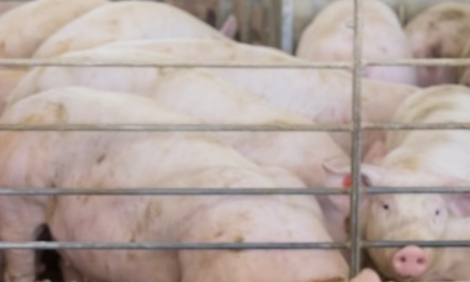






Fukushima pig escape reveals a genetic fast track to wild boar
Escaped domestic pigs bred with wild boar after the nuclear disaster offer lessons in wildlife genetics and invasive species management
 4 March 2026
 3 minute read
 By:
By: A new genetic study examines an unusually large hybridization event that followed the Fukushima nuclear accident, when escaped domestic pigs bred with wild boar. The research shows that domestic pig maternal lineages sped up generational turnover, rapidly diluting pig genes. The findings reveal a mechanism likely operating wherever feral pigs and wild boar interbreed.
Hybridization between domestic animals and wildlife is a growing concern worldwide, particularly as feral pigs and wild boar increasingly overlap. Such hybridization has often been linked to population growth and ecological damage, but the biological mechanisms behind these changes have remained poorly understood.
An unusual opportunity to investigate this emerged after the 2011 Fukushima Daiichi Nuclear Power Plant accident. Following the evacuation of people, domestic pigs escaped into abandoned farmland and forests, where they interbred with wild boar. With no repeated introductions and minimal human activity, the region became a rare natural experiment in hybridization.
New genetic research
A new genetic study, led by Professor Shingo Kaneko, along with co-author Dr. Donovan Anderson from Hirosaki University, published online in the Journal of Forest Research on January 22, 2026, examines this event and reaches an unexpected conclusion. Rather than prolonging the genetic influence of domestic pigs, maternal pig lineages actually accelerated genetic turnover in wild boar populations.
“While it has been previously suggested that hybridization between rewilded swine and wild boars can contribute to population growth, this study demonstrates—through the analysis of a large-scale hybridization event following the Fukushima nuclear accident—that the rapid reproductive cycle of domestic swine is inherited through the maternal lineage,” explained Prof. Kaneko.
Domestic pigs are characterized by a rapid, year-round reproductive cycle, unlike wild boar, which typically reproduce once per year. The study shows that this trait persisted after escape and was passed down through maternal lineages, leading to faster generational turnover and the rapid dilution of pig nuclear genes through repeated backcrossing with wild boar.
To uncover this mechanism, Prof. Kaneko and team analyzed mitochondrial DNA, inherited from the mother, alongside nuclear genetic markers from 191 wild boar and 10 domestic pigs collected between 2015 and 2018. Using population genetics models, they estimated how many generations had passed since hybridization and how much domestic ancestry remained.
Dr. Anderson says, “We hypothesized that the domestic swine’s unique trait, a rapid, year-round reproductive cycle, might be the key.”
Study results
The results showed that wild boar carrying domestic pig mitochondrial DNA had significantly lower proportions of pig-derived nuclear genes than hybrids with wild boar maternal lineages. Many individuals were already more than five generations removed from the original cross, indicating unusually fast genetic turnover.
Prof. Kaneko emphasizes that Fukushima’s circumstances were exceptional. The sudden absence of human activity created conditions that allowed wild boar populations to expand rapidly. At the same time, maternal inheritance of accelerated breeding played a contributing role in the speed of genetic introgression.
Importantly, the findings are not limited to Fukushima. “We wish to emphasize that this mechanism likely occurs in other regions worldwide where feral pigs and wild boars interbreed,” notes Dr. Anderson.
Implications for managing wild boar
Beyond advancing fundamental understanding of wildlife biology and genetics, the research has practical implications for managing invasive species.
“The findings can be applied to wildlife management and damage control strategies for invasive species,” Prof. Kaneko explains. “By understanding that maternal swine lineages accelerate generation turnover, authorities can better predict population explosion risks.”
This insight could help guide more targeted control efforts, including prioritizing the removal of hybrid individuals with specific genetic backgrounds. As feral pigs continue to expand across many regions of the world, understanding how maternal lineage shapes genetic change may become an increasingly important tool for conservation and wildlife management.**
Reference
Title of original paper: Maternal lineage of rewilded swine in Fukushima contributes to faster introgression in wild boar populations
Journal: Journal of Forest Research DOI: 10.1080/13416979.2026.2619278
Image details: A wild boar with visible traits linked to domestic pig ancestry in Fukushima’s evacuation zone. After the 2011 nuclear accident, escaped pigs interbred with wild boar, creating a rare hybridization event that allowed researchers to study how maternal lineage influences genetic turnover in wildlife populations. Image courtesy of Associate Prof. Hiroko Ishiniwa from Mukogawa Women's University, Japan