




Fire prevention in livestock barns
Step-by-step guide for fire prevention, ssyetm checks and emergency response.
 2 March 2026
 4 minute read
 By:
By: Barn fires are rare, but when they happen, they move fast and can be devastating for farms. Early detection and rapid response are critical to limiting loss.
Livestock barns face unique fire risks including bedding, dust, and gases that can ignite easily, electrical system exposure to moisture and corrosion, and heating equipment running for long hours.
Producers can minimize risk by having a fire plan, choosing equipment with important safety features, and practicing ongoing checks and maintenance.
Develop an emergency plan
Every livestock operation should have a fire plan that details what to do in case of a fire. The plan should be written down and specific to your operation. Be sure to include the following:
Evacuation priorities (people first, animals second) with meetup locations
A map showing the locations of important features such as:
Livestock pens in all buildings
Electrical rooms
Fuel tanks and chemical storage
Water sources for firefighters
Utility shutoff locations
Emergency contact information for owners, managers, and families
Review the plan at least once a year with employees and family members or more frequently to align with employee turnover.
Electrical and heating safety
Many barn fires start due to issues with electrical components and heating equipment from moisture or corrosion. Stay ahead of these risks by:
Inspecting wiring, panels, and junction boxes annually
Repairing damaged or corroded components immediately
Protecting wiring from animals, moisture, and washdown areas
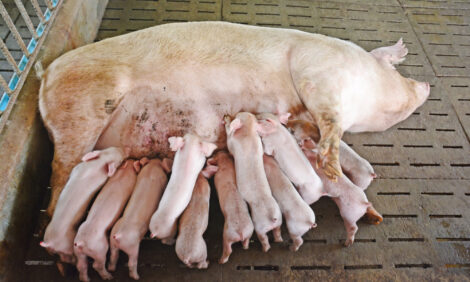
Farrowing houses and nursery rooms deserve special attention, as supplemental heat often runs 24/7. When a heater is chosen for the space, make sure you select one that is rated for agricultural use. Do not use portable or improvised heaters, as they can increase fire risk. When selecting heating devices, look for and ensure the following:
Automatic shutoff systems
Manufacturer-approved installation
Proper clearances from bedding, pens, and other features
Heat mats are common in pig production. When installed correctly, they are safer than open or overhead heat sources such as heat lamps. When choosing heat mats, look for:
Low-wattage designs with low temperature heating elements
Even heat distribution that prevents hot spots
Durable construction and insulation that resists moisture and damage
Certified and tested products designed for livestock use
Remember to always protect the power cords on electric components from animal access and inspect them regularly for damage.
Stanfield heat mats have earned the trust of producers around the world for more than 50 years. Their materials and construction easily pass the rigorous tests used for electrical safety certification. They hold more electrical safety certifications than any other brand, including UL, CSA, CE, IEC, and PSE. These low-wattage heat mats are designed to provide consistent warmth, resist the entry of moisture and corrosive gases with an over-molded and double-insulated heating element, and are fully flame retardant. Our range of products include designs for farrowing, nurseries, and even farm pets.
Ventilation system safety
Proper ventilation does more than control temperature. It also plays a role in fire safety. Ventilation systems should include exhaust fans, circulation fans, and air inlets for both animal welfare and barn safety.
Fans reduce the buildup of gases and moisture. When selecting ventilation equipment, look for:
Fully enclosed motors with built-in thermal overload protection that automatically shut off if overheated
Components rated for dusty, corrosive environments
Every fan motor used in Osborne’s line of ventilation equipment features built-in thermal protection and will automatically shut off if overheating is detected. This simple feature protects both animals and buildings since fans often run 24/7.
Clean fans and ventilation system components regularly to prevent dust buildup.
Storage and housekeeping
Ongoing maintenance and cleaning are the most common — but overlooked — fire prevention measures.
Improperly storing hay, bedding, and chemicals can significantly increase fire risk.
Store hay and bedding separately from animal housing when possible. Fully cure baled hay or straw before storage and monitor it for abnormal heating.
Keep pesticides, herbicides, and other chemicals in a locked, separate shed. Post appropriate hazard placards on chemical storage buildings.
Reduce the amount of combustible material in your barn by:
Removing dust and cobwebs from lights, fans, heaters, and wiring
Properly disposing of oily rags and waste products
Keeping clutter and vegetation away from structures
Storing fuels, oils, and flammables in approved containers away from livestock
Pay close attention to electrical components near washdown areas and pits, where moisture and corrosive gases can accelerate wiring and motor failure.
Detection systems
Following the adage that an ounce of prevention is worth a pound of cure, early fire detection is considered more important than suppression. The National Fire Protection Association (NFPA) 150 standard strongly recommends installing detection systems for barns because evacuating livestock is challenging and not always feasible.
If possible, install:
Heat or smoke detectors suited for dusty environments
Devices with audible alarms and remote notifications (such as phone apps, monitoring services, or on-site alerts)
Systems with corrosion and contamination protection
In case of fire
On a farm, small electrical failures can escalate quickly — especially during overnight or unattended hours. Preparation saves lives.
In addition to adopting prevention measures on your farm, install ABC multi-purpose extinguishers throughout your barn. NFPA guidance suggests having coverage no more than 50 feet from any point in the barn. Inspect your fire extinguishers regularly to ensure proper function.
During a fire, call 911 immediately. Early detection and firefighter access are critical. Follow your emergency plan and shut off utilities if you can safely do so. Animal evacuation may not be possible. Never enter a burning structure.
There’s no magic bullet when it comes to fire prevention. Fire safety should encompass layers of protection from a clear plan to smart equipment choices to early detection. Download our fire safety checklist for helpful guidance on implementing these practices on your farm.