




Pig outlook: Lean hog futures charts still bullish
USDA Hogs & Pigs report revisions - what changed and why it matters
 1 January 2026
 2 minute read
 By:
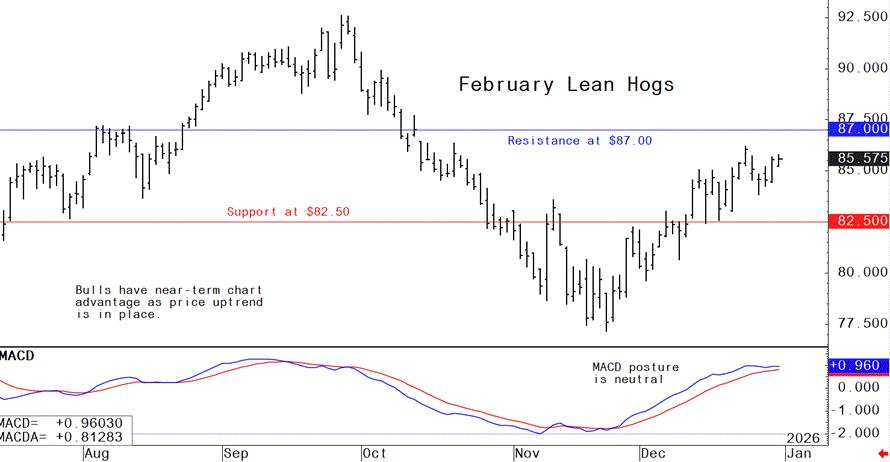
By: February lean hogs have seen a resumption of technical buying as prices are in an uptrend on the daily bar chart. The February lean hog futures contract is well above the latest CME lean hog index, which is bullish for futures and suggests futures traders expect the cash hog market to continue to appreciate. The latest CME lean hog index is down $1.40 to $82.44. Today’s projected cash index price is down 19 cents at $82.25.
USDA Hogs & Pigs report revisions: What changed and why it matters
USDA made notable upward revisions to several recent hog and pig estimates in the December Quarterly Hogs and Pigs report, reinforcing the view that actual supplies over the past year were larger than previously reported and that productivity gains were understated earlier
What USDA revised. According to NASS, all inventory and pig crop estimates from December 2023 through September 2025 were re-evaluated using updated slaughter data, death loss, and trade flows. Key revisions include:
- September 2025 all hogs and pigs inventory revised up 1.1%
- June–August 2025 pig crop revised up 2.5%
- June 2025 all hogs and pigs inventory revised up 1.9%
- March–May 2025 pig crop revised up 1.9%
These are material adjustments by USDA standards, especially for pig crop data, which directly feed into supply expectations for subsequent quarters.
Why the revisions matter. The revisions carry several important implications:
- Supply was tighter than believed earlier: Upward revisions mean more pigs were in the system than markets had assumed at the time, helping explain why pork production and slaughter held up better than some forecasts suggested in mid-2025.
- Productivity gains were understated: Larger pig crops, combined with record pigs-per-litter, indicate that efficiency improvements were stronger than initially captured, even as the breeding herd declined.
- Price interpretation changes: Hog prices that appeared strong relative to reported inventories now look less surprising when viewed against a higher revised supply base — suggesting demand absorbed more pork than previously thought.
- Forward-looking caution: Because USDA revisions often occur with a lag, the changes serve as a reminder that initial quarterly estimates can understate turning points, particularly during periods of rapid productivity change.
Bottom Line: The December revisions reinforce a key takeaway from the broader report: the U.S. hog sector in 2024–25 was larger and more productive than earlier data indicated, even without meaningful breeding herd expansion. For analysts, packers, and producers, the revisions underscore the need to interpret short-term price and supply signals with caution — and to watch future revisions closely as USDA continues to reconcile survey data with slaughter and trade realities.
The next week’s likely high-low price trading ranges:
February lean hog futures--$84.00 to $87.00 and with a sideways-higher bias
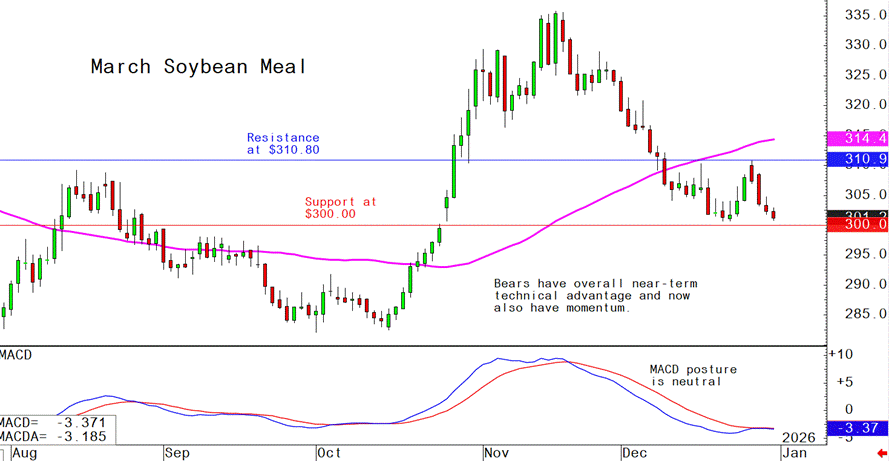
March soybean meal futures--$297.00 to $310.00, and with a sideways-lower bias
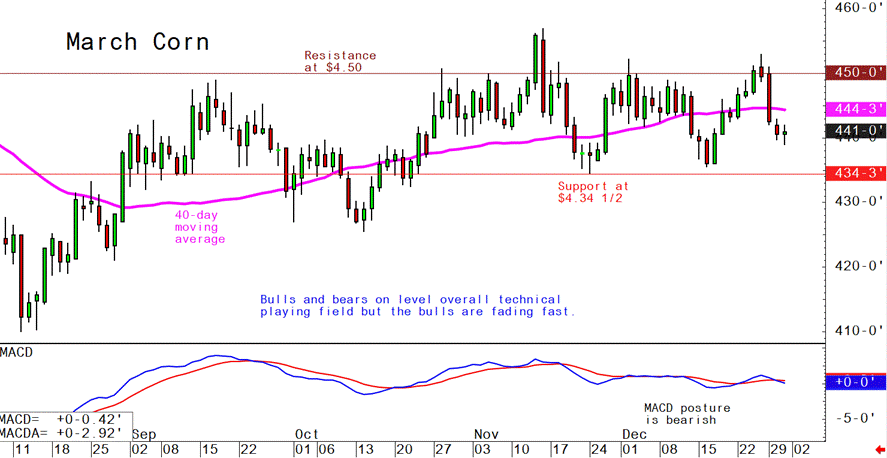
March corn futures--$4.34 1/2 to $4.53 and a sideways bias
Latest analytical daily charts lean hog, soybean meal and corn futures